
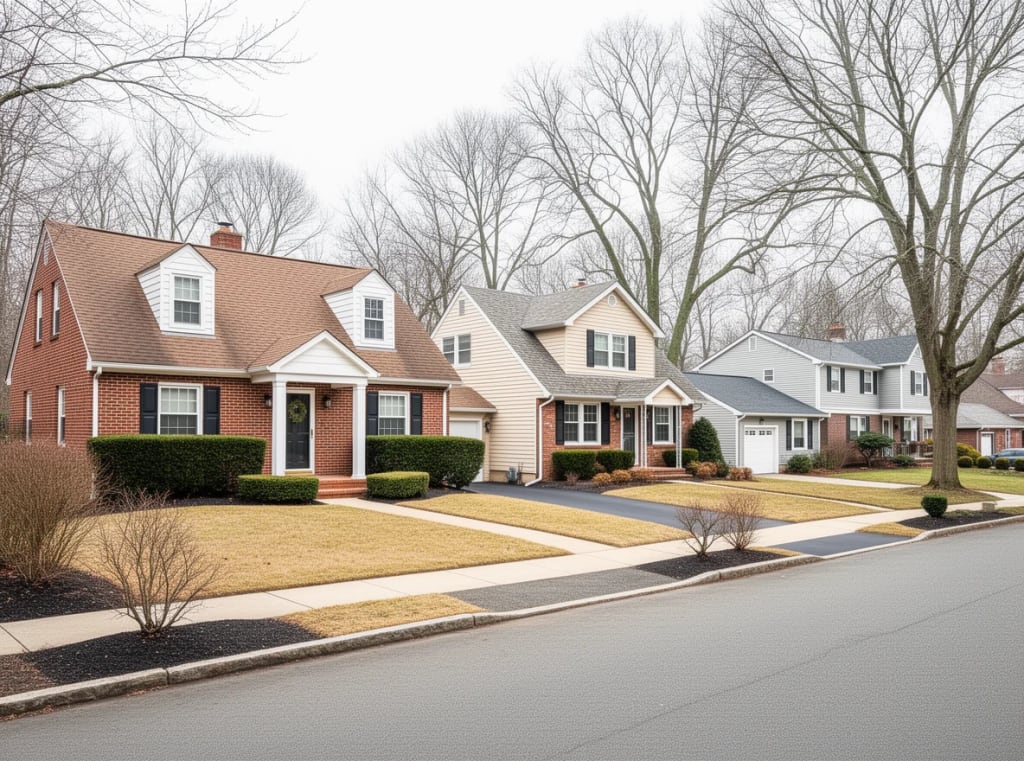
Sell Faster in Bergen County: 9 Prep Moves That Pay Off (Without Over-Renovating)
In Bergen County, buyers move quickly when a home feels cared for, current, and easy to imagine living in. The good news: you don't need a six-figure renovation to create that feeling. What you do need is a smart, prioritized prep plan that focuses on the details buyers notice in the first few minutes—online and in person. Below are nine practical moves that tend to shorten days on market and strengthen offers, especially when you pair them with a thoughtful pricing and marketing strategy.
Before you start: think of prep as "reducing buyer friction." Every squeaky door, outdated light bulb color, or crowded countertop subtly adds doubt. Your goal is to remove reasons to hesitate, so your home becomes the obvious "yes."
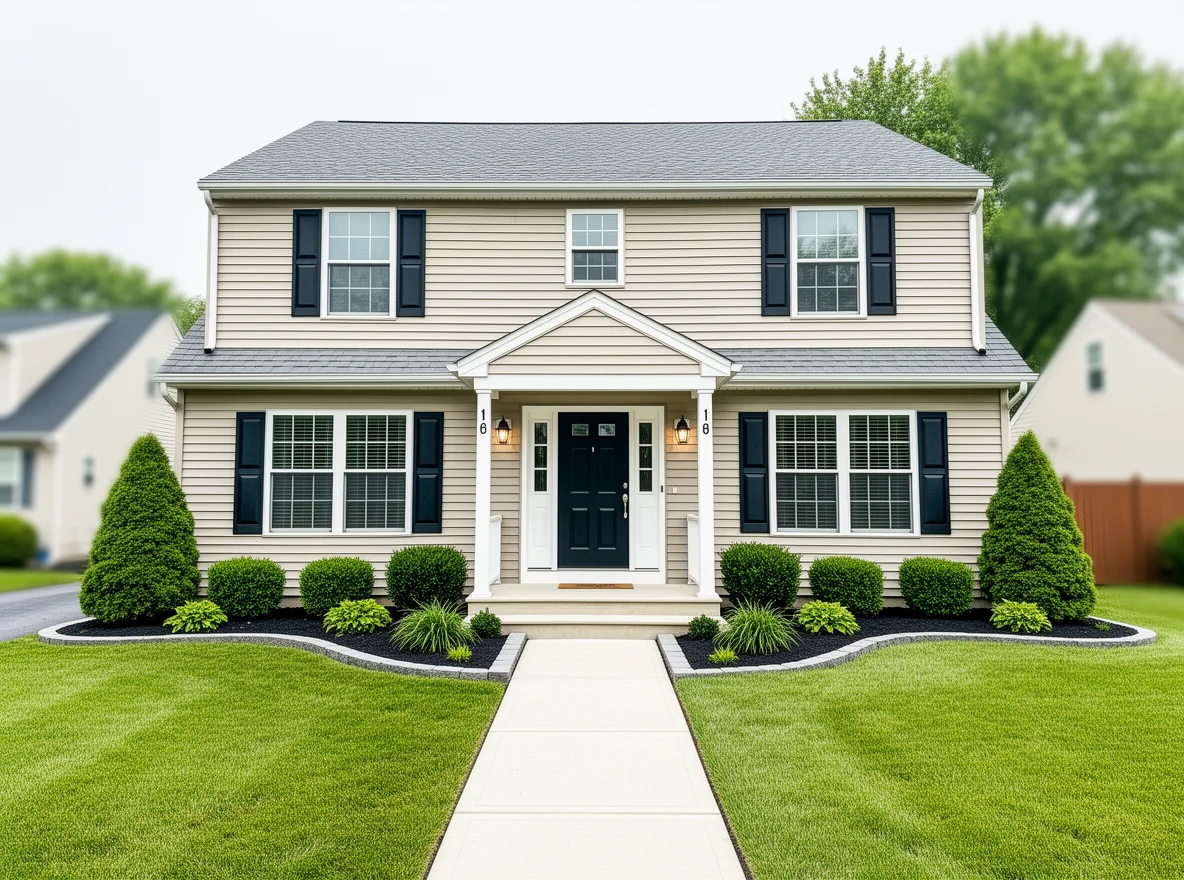
1) Win the first 10 seconds: curb appeal that photographs well
Drive-by impressions still matter in a world of online listings—because curb appeal becomes your lead photo. Simple updates often outperform big projects: a power wash on siding and walkways, a crisp front door (or at least refreshed hardware), and clean landscaping lines. In Bergen County's seasons, fresh mulch, edged beds, and a few hardy plantings can read as "turnkey" without looking over-styled.
Quick checklist: replace a weathered mailbox, straighten house numbers, clean windows, and add warm entry lighting. If the roof has visible moss or heavy staining, a professional soft wash can be a strong ROI move—less dramatic than replacement, but still confidence-boosting for buyers.
2) Declutter like you're moving next week
Overstuffed rooms sell slower because buyers underestimate storage and room size. Start with surfaces and sightlines: clear kitchen counters to a few intentional items, reduce open shelving, and pare down entryway and mudroom clutter. Then work through closets—yes, closets—because buyers open them, and tight closets suggest the home can't handle real life.
A helpful rule is the "one-third principle": aim to remove roughly a third of what's visible in each space. Consider renting a small storage unit for 30–60 days if needed. The cost is often far less than the price reduction you'd accept after a stale listing.
3) Make paint your secret weapon (without repainting everything)
Fresh paint is one of the rare prep items that can shift a buyer's emotional reaction quickly. Focus on high-impact areas: scuffed hallways, trim that's yellowed, bold accent walls, and any room where patching is visible. Neutral doesn't have to mean cold—soft warm whites and gentle greiges tend to work well under Bergen County's mix of natural light and tree cover.
Pro tip: consistency matters. If every room is a different white, photos can look "off" and in-person transitions feel choppy. Choose one primary wall color and one trim color for a cohesive, updated look.
4) Fix the little things buyers use to negotiate
Loose door handles, sticking windows, running toilets, and missing switch plates rarely stop a sale—but they absolutely invite "What else is wrong?" thinking. Take a weekend to walk the home as if you're a buyer, turning on lights, opening doors, and checking bathroom fans. Knock out the small repairs that signal maintenance has been deferred.
High-leverage items: recaulk tubs and showers, replace cracked outlet covers, tighten railings, repair torn screens, and ensure every interior door latches properly. These repairs are relatively inexpensive, but they reduce the inspection "nickel-and-dime" effect that can erode confidence mid-transaction.
Interior Prep That Feels Updated (Even If It Isn't New)
5) Upgrade lighting for a brighter, "newer" feel
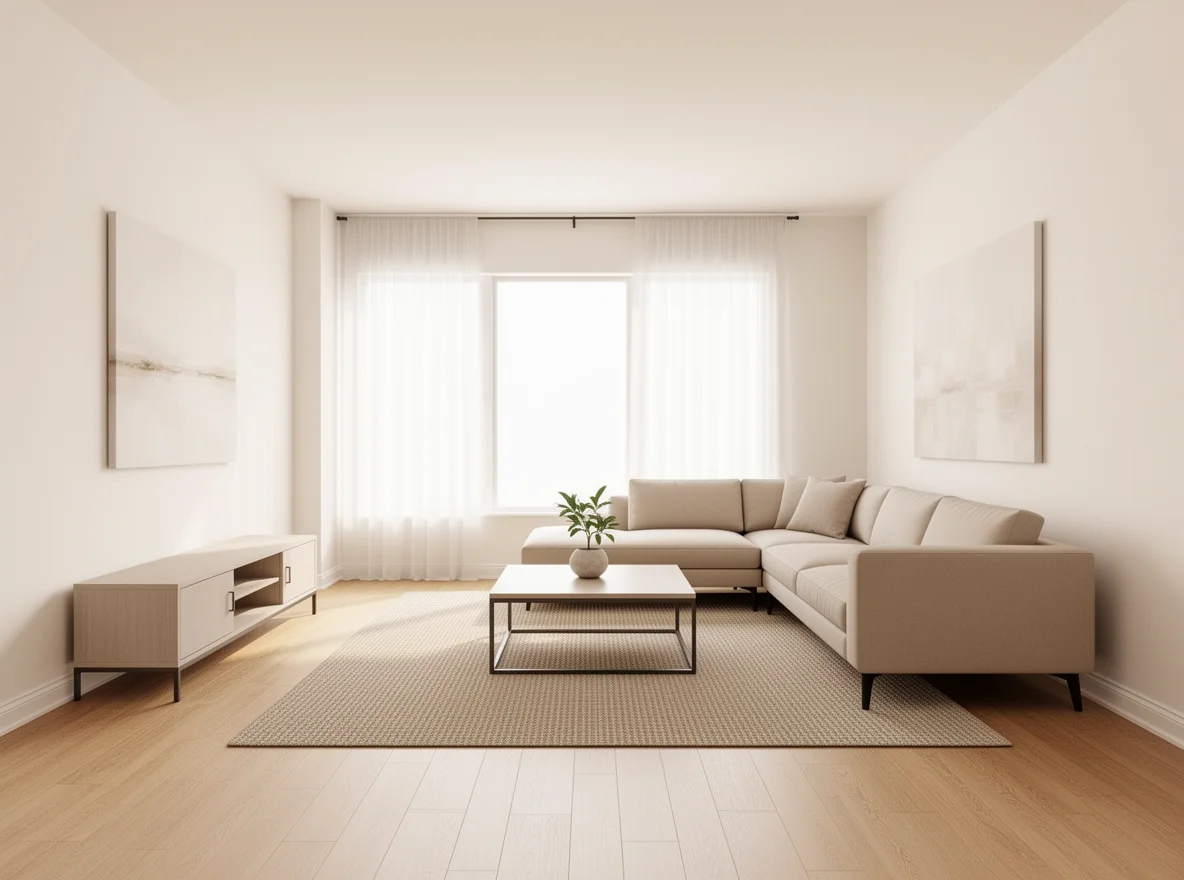
Lighting is the silent deal-maker in photos and showings. Swap harsh or mismatched bulbs for a consistent warm-white temperature throughout the home, and replace dated fixtures selectively—especially in foyers, dining areas, and bathrooms. If recessed lights exist, make sure they're all functioning and matching. Buyers read good lighting as "renovated," even when the underlying finishes are unchanged.
Also, open the home up: replace heavy drapes with simple panels, clean window glass thoroughly, and make sure blinds aren't bent or broken. In tree-lined Bergen County neighborhoods, maximizing daylight helps rooms feel larger and more cheerful.
6) Kitchens: clean, simplify, and choose two small upgrades
A full kitchen renovation rarely pays off dollar-for-dollar right before listing, but targeted moves can. Deep clean everything—grout, cabinet faces, hood filters, and appliance fronts. Then choose one or two upgrades that modernize the space without construction: updated cabinet hardware, a new faucet, or a fresh, simple light fixture. If your cabinets are structurally solid but look tired, professional painting can be a middle path that often beats replacing them.
Skip traps: highly personalized backsplashes, trendy colors that polarize, and anything that requires long lead times. The goal is a kitchen that reads clean and functional in listing photos and feels easy to maintain during showings.
7) Bathrooms: make them feel crisp and "hotel clean"
Bathrooms sell confidence. Replace worn shower curtains with clear glass-looking liners and neutral curtains, refresh towels, and remove nearly everything from counters. Re-grout or re-caulk where discoloration is visible, and address any slow drains or humidity issues. If the vanity light is dated, that single fixture swap can lift the entire room.
Buyers in Bergen County often compare homes quickly; a bathroom that looks freshly maintained—even if it isn't brand new—helps your home compete against renovated listings without matching their renovation budget.
8) Floors and scents: what buyers feel underfoot matters
Dirty carpets and scratched hardwood can drag down an otherwise beautiful home. Professionally clean carpets, refinish or buff hardwood where practical, and replace visibly damaged thresholds. If you have area rugs, use them strategically to define spaces and cover minor imperfections, but avoid tiny rugs that make rooms feel smaller.
Just as important is smell. Aim for "nothing" rather than "fragrance." Ventilate, change HVAC filters, clean pet areas thoroughly, and avoid heavy diffusers. A neutral, fresh environment keeps attention on the home—not on what buyers are trying to mentally explain away.
9) Stage for real life: show how the home flows
Staging isn't about making your home look like someone else lives there; it's about helping buyers understand how they could live there. Create clear pathways, define awkward corners (a chair and small table, a reading nook, a compact desk setup), and keep furniture proportional. If a room is currently a catch-all, give it a purpose—even a simple one—so buyers don't label it as "wasted space."
Photograph-first mindset: the most powerful staging changes are the ones that improve listing photos. In a competitive market, your online presentation is your first showing, and strong photos can compress the timeline from "launch" to "offer."
How NJJoe Group Helps You Prep Without Overdoing It
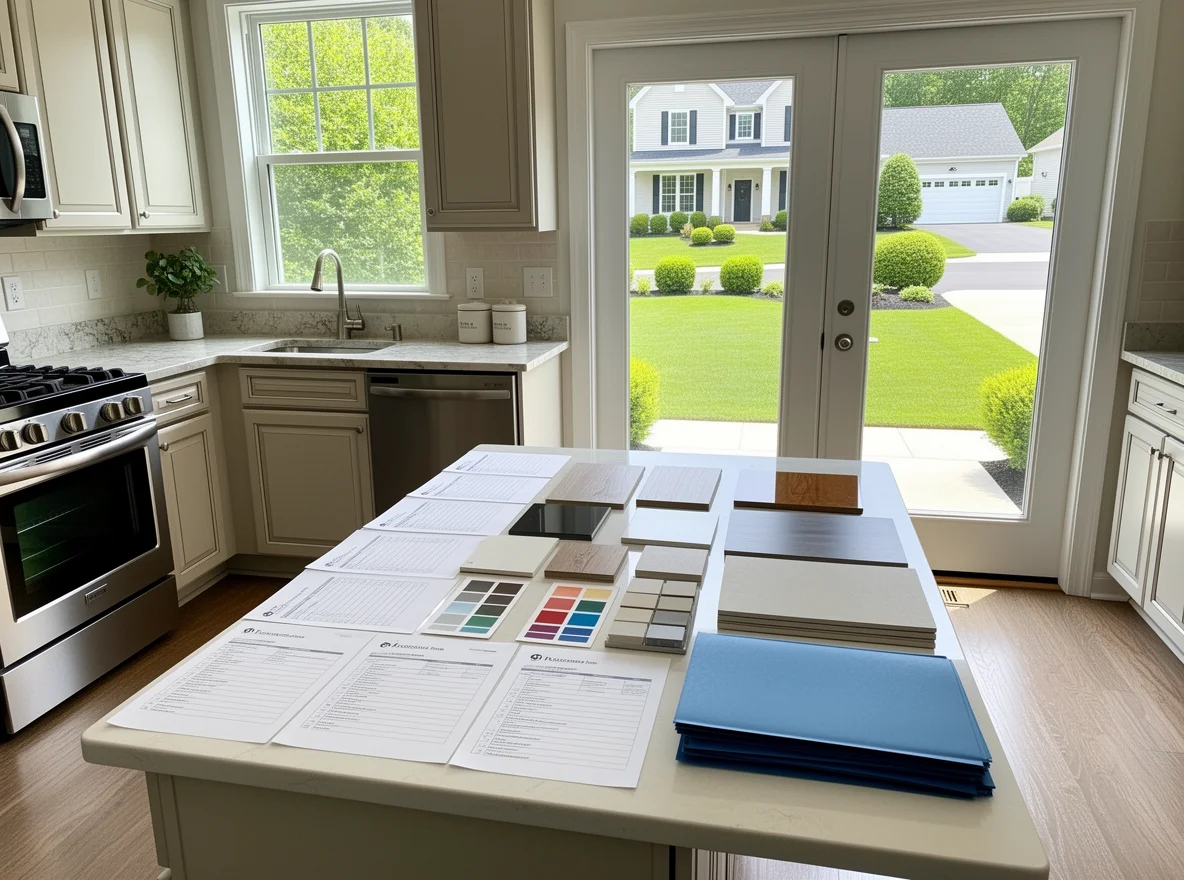
Prep is most effective when it's prioritized. The NJJoe Group approach is client-first—grounded in "It's All About YOU and Your Home!"—which means the plan should fit your timeline, budget, and stress tolerance. Some sellers want a punch-list they can knock out in a weekend; others want a coordinated schedule that includes trusted vendors. Either way, the goal is the same: focus on improvements that buyers notice, avoid projects that delay your launch date, and use technology-forward marketing to make sure your best features show up clearly online.
In Bergen County, the difference between "nice home" and "must-see home" is often execution: clean presentation, consistent visuals, and a smooth showing experience. If you're considering selling, start with a walk-through mindset: what would a buyer question, and what would make them feel instantly at ease?
Final thought: selling faster isn't about doing everything—it's about doing the right things. With smart prep, your home can feel turnkey, photograph beautifully, and attract stronger offers without the time, cost, and risk of over-renovating.