
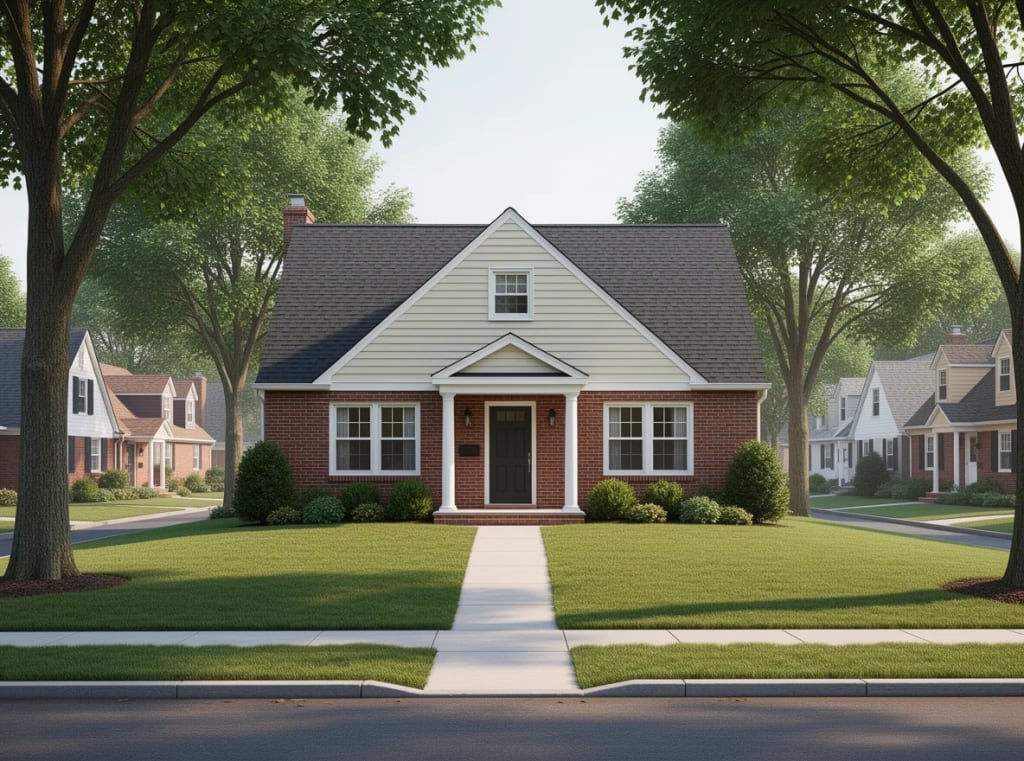
Bergen County Pricing Reality Check: What Moves a Home's Value Most
Pricing a home in Bergen County can feel like trying to hit a moving target. Two houses can sit on the same street, look similar from the curb, and still sell for noticeably different numbers—sometimes within days of each other. That's not luck; it's the market responding to a set of value-drivers that buyers consistently reward. If you're thinking about selling (or buying), understanding what really moves value helps you avoid the two big pitfalls: overpricing and leaving money on the table.
This reality check is about separating the things that simply "look nice" from the factors that actually change demand, offers, and final sale price. In NJJoe Group's client-first approach—"It's All About YOU and Your Home!"—the goal is to translate market behavior into a clear plan: what to improve, what to showcase, and what to ignore.
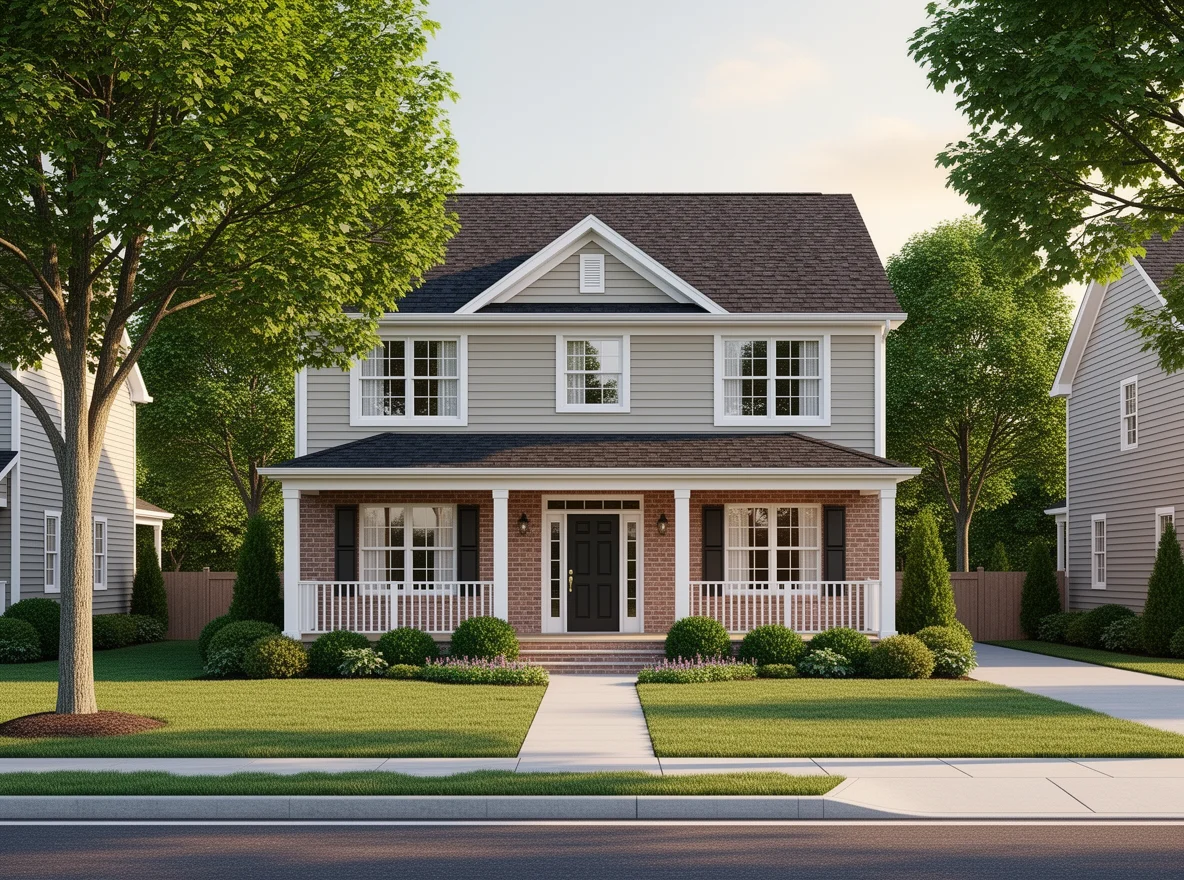
1) Location still leads the list—just in more specific ways than before
"Location" is the oldest rule in real estate, but in Bergen County it breaks into micro-factors that buyers price differently: the feel of a particular block, the ease of commuting, proximity to parks and everyday conveniences, traffic patterns, and even how quickly you can access major routes for New York City travel. The result is a patchwork of value pockets that don't always line up with town borders.
Schools matter, but nuance matters more. Families often focus on school options, yet the market response is not just about a district name. It can hinge on walkability to schools, after-school activity access, or whether the home's layout supports changing family needs. Even for buyers without kids, strong schools tend to signal stability and long-term demand—an important "resale confidence" factor.
Neighborhood character is a price lever. Buyers pay for tree-lined streets, well-kept homes, and a sense of cohesion. Think of it as the "arrival experience": when the approach to the house feels calm and cared for, people lean in emotionally—and emotional momentum often shows up in stronger offers.
2) Condition and "project fatigue" can swing value fast
Bergen County buyers are busy, and many prefer a home that won't consume their weekends for the next year. That's where condition becomes a powerful driver. It's not that every home needs to be brand-new; it's that buyers discount heavily for uncertainty. A roof near end-of-life, dated electrical, older HVAC, or signs of moisture can trigger a mental spreadsheet of risk, time, and unexpected costs.
Pre-listing clarity is priceless. When sellers address key maintenance items, provide receipts, and present a home that feels "buttoned up," buyer objections soften. On the other hand, a home that reads as neglected can end up with fewer showings, more negotiation friction, and a longer time on market—three things that can compound into a lower final number.
Reality check: Cosmetic imperfections are often forgivable; functional uncertainty is not. A fresh coat of paint helps, but a clean inspection narrative helps more.
3) Layout and usable space beat raw square footage in many price brackets
Square footage is easy to measure, but usability is what buyers live with. In Bergen County, where multigenerational living and flexible work schedules are common, the market tends to reward homes that offer adaptable zones: a quiet office nook, a finished lower level that doesn't feel like an afterthought, or a guest suite that can double as extended-family space.
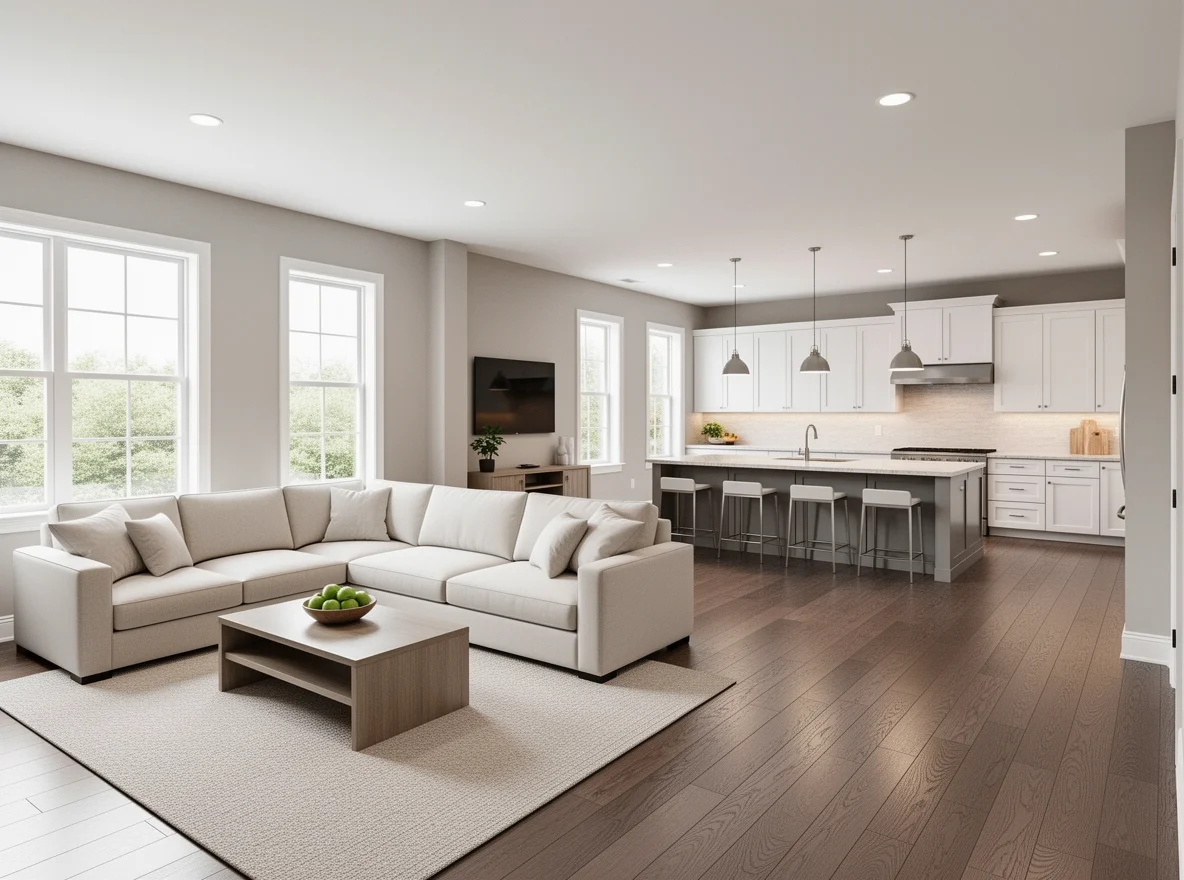
Kitchens and baths remain the "confidence rooms." Buyers may forgive an older guest bedroom, but they linger in kitchens and primary baths—and they build their offer around what those spaces signal. The key isn't always luxury; it's cohesion. Clean lines, consistent finishes, good lighting, and practical storage can outperform flashy upgrades that feel out of place for the neighborhood.
Functional flow drives emotional flow. A choppy layout, cramped entry, or awkward transitions between rooms can make a home feel smaller than it is. Conversely, a well-staged, well-lit plan that highlights how people move through daily life can quietly add perceived value. That perception shows up in offer strength—especially when buyers have seen five other homes that day and are comparing how each one "felt."
For sellers, this is often where smart preparation pays off: decluttering, staging for scale, and defining spaces (like turning an ambiguous corner into a workspace) can create the impression of more usable square footage without moving a single wall.
4) Presentation and timing can create (or drain) momentum
In a competitive county, momentum is currency. The first week on market frequently sets the tone for everything that follows. Strong photography, thoughtful staging, and a listing strategy that matches current buyer behavior can translate into more showings and better terms. When that early excitement is missing, the market starts asking "what's wrong?"—and the price conversation gets tougher.
Timing matters too. Seasonal patterns still exist, but they're influenced by inventory, interest rates, and local demand shifts. Sometimes the best "timing" is less about the calendar and more about readiness: launching when the home is truly show-ready, the disclosures are organized, and the pricing is anchored to the most relevant comparable sales—not last year's headlines.
Technology-forward marketing also plays a role here. NJJoe Group's approach emphasizes using modern tools to reach serious buyers quickly, measure engagement, and adjust with data—without losing the human element that turns a showing into a strong offer.
5) The comps you choose—and how you interpret them—can change your number
Comparable sales ("comps") aren't just a list of nearby addresses. The comp set needs to match the story buyers will tell themselves: similar condition, similar layout utility, similar lot and location feel, and similar updates. In Bergen County, where neighborhoods can change block by block, pulling the wrong comps can push pricing too high (leading to a stall) or too low (leaving equity behind).
Here's what often matters most when adjusting comps:
- Condition category: move-in ready vs. lightly dated vs. project
- Layout utility: number of true bedrooms, office options, finished lower level
- Outdoor livability: privacy, flat yard usability, patio/deck readiness
- Parking and storage: garage size, driveway ease, basement storage
- Micro-location: traffic flow, nearby noise factors, proximity to transit routes
Pricing is ultimately a strategy, not a guess. The best strategy acknowledges buyer psychology: the "too high" band where buyers skip the showing, the "just right" band that drives competition, and the "too low" band that may attract attention but can create skepticism if the home doesn't match the expectation.
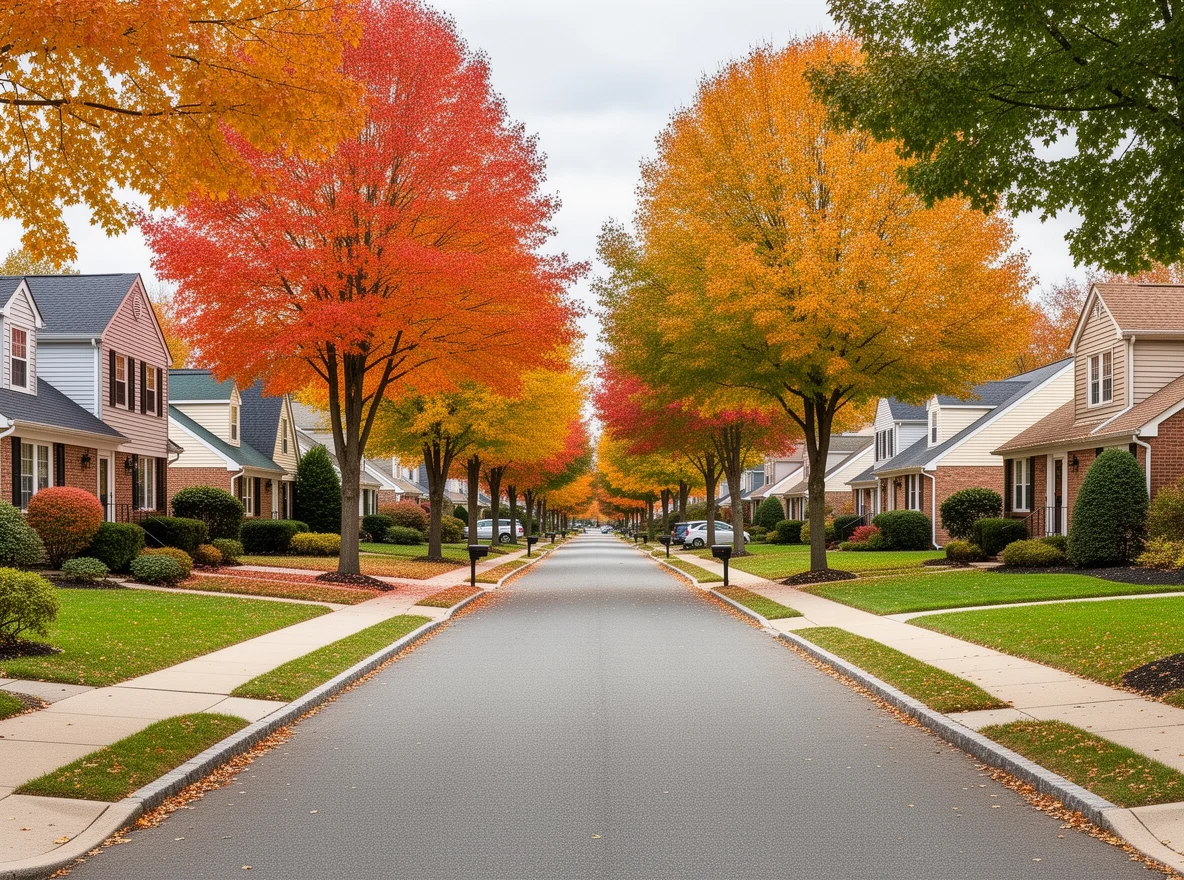
What this means for Bergen County sellers right now
If you want the strongest number, focus on the items buyers reliably pay for: solid condition, a layout that fits modern life, and a presentation that creates confidence quickly. Keep upgrades aligned with the neighborhood (over-improving can be real), and invest in the work that reduces uncertainty—maintenance, clean disclosures, and clear value positioning.
If you're buying, the same levers apply in reverse. When you spot a home with strong bones but weaker cosmetics, you may find opportunity—especially if the layout is good and the location is right. On the flip side, be cautious about paying a premium for "pretty" when big-ticket systems are nearing replacement.
Bottom line: Bergen County value isn't mysterious—it's measurable and repeatable when you look at what actually drives demand. NJJoe Group brings experienced leadership, a technology-forward toolset, and a client-first mindset to help you price with clarity and move with confidence. When you're ready for a tailored pricing plan, the smartest next step is a data-backed conversation focused on your home, your timeline, and your goals.